Where Economics Meets the Road:
Army Veteran Dean M. Prestegaard Brings 30 Years of Expertise to His Own Firm
“People need to realize when they’re coming out of the service that there’s so much that they know that they don’t even realize they know. That’s exactly what happened to me. The skills are there: you just have to learn to see them differently and use them in a different context.”
Dean M. Prestegaard spent more than three decades building expertise at the intersection of two things most people never think about together: regional economics and transportation infrastructure. Now, after a career that took him through academia, state & federal government, and a major engineering firm, he’s now doing it on his own terms.
Dean served over 28 years in the Army Reserve and National Guard across the Great Lakes region, with eight years enlisted and twenty as a commissioned officer, retiring as a Major in 2016. His military career spanned multiple positions in the infantry and field artillery, eventually leading him into logistics and sustainment support. In his last assignment he coordinated the movement of soldiers, equipment, and supplies using multiple modes of transportation.
“It didn’t dawn on me at the time,” he said, “but I was actually managing a transload site.
“That realization connected his military experience directly to his civilian work. When Dean joined the Wisconsin Department of Transportation, he managed the state’s freight program and helped state government leaders better understand the economic story behind public infrastructure investment decisions. Investments in infrastructure like roads, rail, airports, and ports do not just ease the movement of goods; they often determine whether communities grow or stagnate.
“I work in a niche industry of a niche industry,” he said. But the impact is anything but small. His work helps communities decide how big to build a wastewater treatment plant, whether a rural broadband investment will attract new businesses, or how the impacts of transportation projects will ripple through local economies for years, if not decades.
His academic background runs deep alongside the practical work. Dean holds a BA in Economics from St. Cloud State University, an MA in Economics from West Virginia University, and completed coursework toward a PhD in Urban Studies at Cleveland State University. He also taught a graduate-level course on economic development planning at the University of Michigan’s Taubman College of Architecture and Urban Planning.
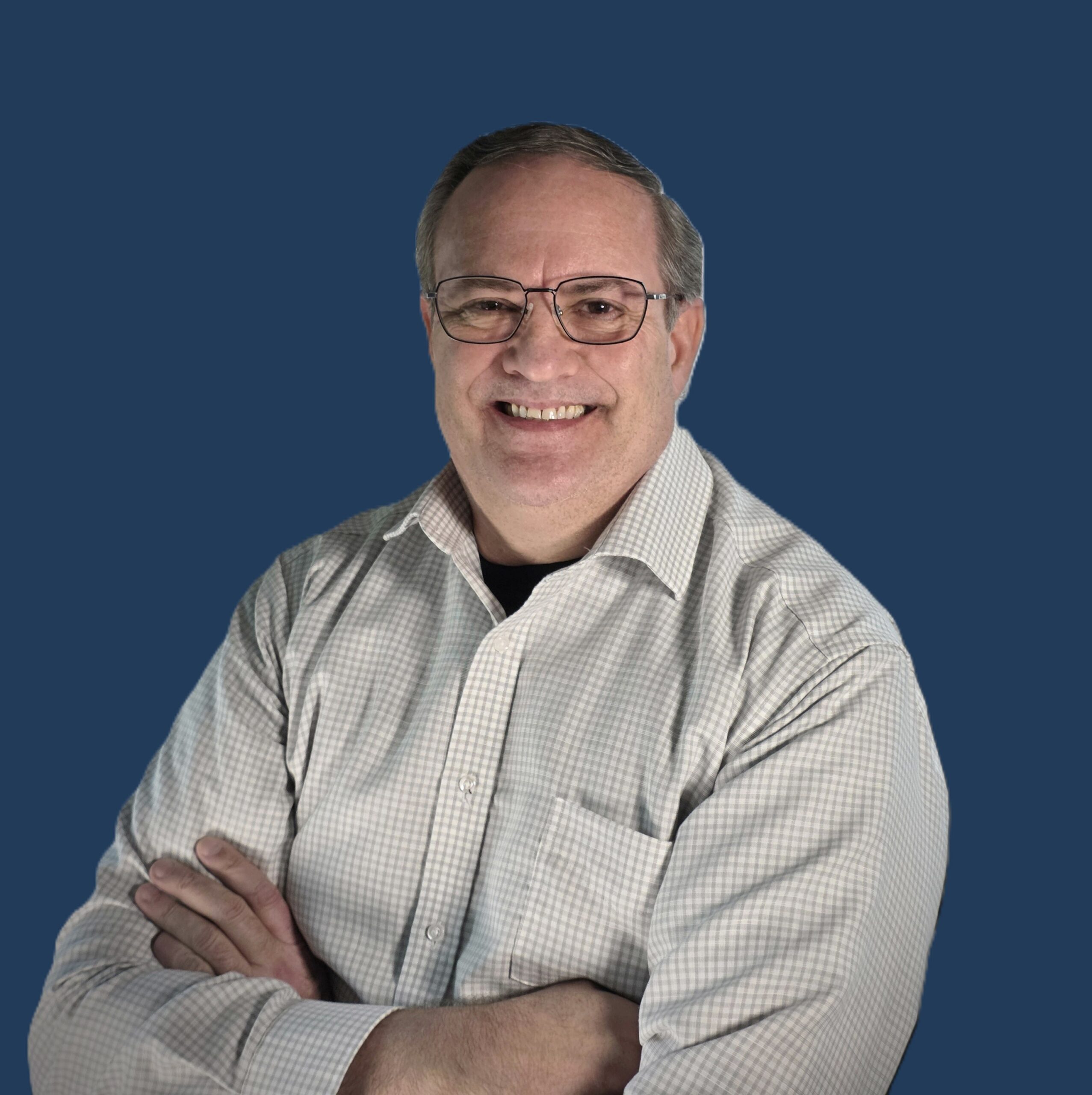
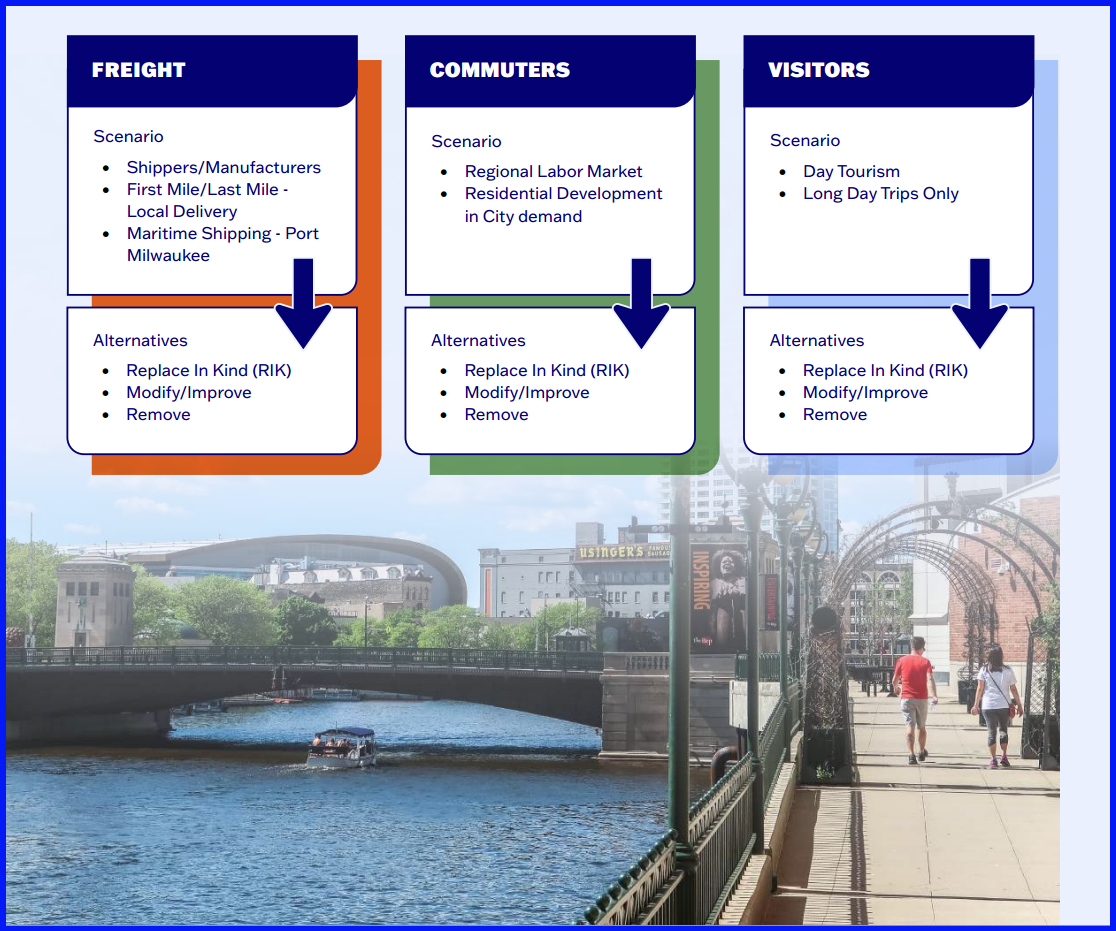
After working as a senior economist at an engineering firm, Dean made the leap to launch his own consulting practice, bringing that same expertise to a wider range of clients and projects. Today he serves on the freight advisory committee for the State of Wisconsin, is on the board of the Wisconsin Economic Development Association, and chairs the Great Lakes Economic Development Council, an organization spanning eight states and two Canadian provinces. In May, he and his vice chair were featured in Site Selection Magazine’s Area Spotlight, a publication read by the firms and investors who decide where to put their next facility.
It’s a lot for someone still figuring out the entrepreneurial side of things.
“I spent decades being the expert in the room. Now, as a business owner, I’m learning that getting clients means putting yourself out there, and that’s a different muscle,” he said.
That’s part of what brought him to Veteran Business Project. Connected through the Wisconsin Veterans Chamber of Commerce, Dean was matched with a mentor who did something unexpected: introduced him to a business owner in a completely different industry. The conversations that followed, about finding clients, navigating change, and building something sustainable, turned out to be exactly what he needed.
“The issues were the same,” he said. “Even though it was a completely different business model, how he went about solving problems and finding new clients, those were the issues I was dealing with too.”
Dean is also a recent graduate of Leadership Greater Madison, a year-long program connecting established leaders to community challenges and the nonprofits trying to find solutions. For someone whose work has always been regional or national in scope, it was a deliberate step toward planting deeper roots in his local community.
His Advice
His advice to fellow veterans stepping into entrepreneurship cuts to the heart of what he’s learned:
“Veterans already know how to lead. A lot of them just don’t realize that’s what they’ve been doing all along.”